

Every festive season we watch the same thing happen: the advertisers who planned in August walk into Diwali with the sites, fleets, and drop dates they wanted, and the ones who called in the last week take whatever is left, often at the worst possible time to be scrambling. Festive demand makes outdoor inventory scarce. Premium hoarding sites, the best mobile-van fleets, auto-rickshaw allocations, and newspaper festive drop dates all get committed weeks before the peak, because every brand is chasing the same shopping window. The good news is that this is entirely plannable. If you know the festive arc, the lead time each format needs, and the simple rule of working backwards from the festival date, you can lock the right inventory early and go live before the rush. This guide gives the 2026 calendar, the lead times, a step-by-step booking process, and the timing rules.
The late-2026 festive window at a glance
The second half of 2026 carries India's densest run of advertising occasions, one after another. Ganesh Chaturthi opens the season in late August into September, strongest in Maharashtra, Telangana, and the west and south. Navratri and Dussehra follow through October, with Gujarat's garba nights and the wider Dussehra melas. Diwali is the peak, across October into November, the single biggest shopping and advertising window of the year nationwide. The wedding season then runs from November 2026 into February 2027, a long, high-value window for jewellery, apparel, and event brands. Christmas and New Year close December. Because these come in quick succession, a brand active across the season should plan the whole arc together rather than reacting festival by festival, and should confirm the exact 2026 dates, which shift each year and by region.
Festive 2026 booking calendar: when to start for each festival
The table below turns the festive arc into booking deadlines, with the windows for 2026 and the priority formats for each. Treat the windows as approximate and confirm exact dates; the point is to start early enough that the inventory you want is still available.
Festive 2026 booking calendar (approximate windows)
| When to start booking | Priority formats | |
|---|---|---|
| Ganesh Chaturthi (late Aug–Sep) | 4–6 weeks before | Van branding, auto fleets, inserts, shop boards |
| Navratri & Dussehra (October) | By September | Van branding (garba/melas), auto, inserts |
| Diwali (Oct–Nov peak) | 6–8 weeks before (by Sep) | All formats: hoardings, van, auto, inserts, shop boards |
| Wedding season (Nov 2026–Feb 2027) | By October, rolling | Shop boards (jewellery/apparel), van, inserts, auto |
| Christmas & New Year (December) | By November | Van branding, inserts, retail shop boards |
Approximate 2026 windows; festival dates vary by year and region, so confirm exact dates. Premium sites, fleets, and drop dates fill early, so book at the start of the window, not the end.
How to plan your festive booking: 6 steps
The process below takes a brand from a blank festive calendar to locked inventory and a live campaign. The early steps protect you from the scramble; the later ones make sure the campaign lands before the peak.
Map your festive calendar and pick the festivals that matter
List the festivals in your region and audience for late 2026, Ganesh Chaturthi, Navratri and Dussehra, Diwali, the wedding season, and Christmas, and confirm the exact dates. Then pick the ones that genuinely matter to your business and customers, rather than trying to be everywhere. A Gujarat retailer weights Navratri heavily; a jewellery or apparel brand weights Diwali and the wedding season. Choosing your festivals first keeps the budget focused on the windows that drive your sales.
Set a goal and budget for each chosen festival
For each festival you will run, set a clear goal, footfall, awareness, an offer, and a budget. Festivals differ in value to different businesses, so do not spread the budget evenly by default; concentrate it where the return is highest, usually Diwali for retail and the wedding season for jewellery and apparel. A defined goal and budget per festival tells you how much inventory to book and stops late, panicked overspending when availability tightens.
Choose the right formats for each festival
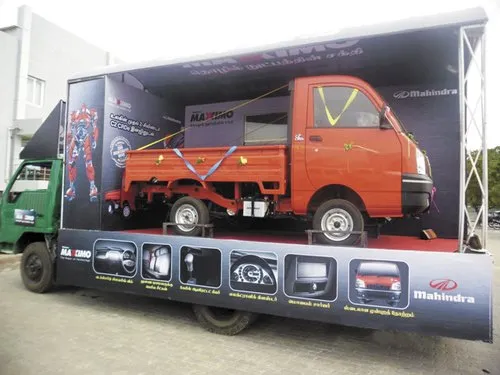
Match formats to the occasion. Mobile van branding suits festival grounds, garba nights, and Diwali markets; auto-rickshaw branding gives dense city coverage; newspaper inserts carry offers and coupons into homes before the shopping days; a fresh, illuminated shop name board makes a storefront stand out; hoardings hold premium high-footfall sites. Most festive campaigns work best as a combination, an insert for the offer, vans and autos for movement and reach, and a bright shop board for the storefront, rather than a single format.
Work backwards from the festival date to a booking deadline
For each format, subtract its lead time from the festival date to get a booking deadline: hoardings and prime OOH 6 to 8 weeks before, mobile van branding 4 to 6 weeks, auto fleets 3 to 5 weeks, newspaper inserts 2 to 4 weeks, and shop name boards 2 to 4 weeks so they are installed before the festival. Put these deadlines in a calendar. This single step converts a vague intention to advertise into dated actions and is the core discipline of festive planning.
Lock the most limited inventory first
Book the scarcest things first: premium hoarding and OOH sites, the best mobile-van fleets, and key newspaper festive drop dates, because these sell out earliest and have the least substitutability. Auto fleets, additional insert volume, and shop-board fabrication can usually be arranged on shorter notice. Securing the limited inventory early protects the spine of the campaign; leaving it late is how brands end up with second-choice sites or dates at the worst time.
Brief creative and approvals early, then go live before the peak
Brief the creative, and arrange any approvals, vehicle wrapping, shop-board fabrication, and municipal permissions, as soon as inventory is locked, because these take time and festive workloads are heavy. Schedule everything to be live during the build-up and shopping run-in, not on the festival day itself, so your message reaches shoppers while they are planning purchases. Then verify delivery and, where possible, attach a coupon or code so you can measure the festive campaign and improve the next one.
Why going live before the peak matters
A common festive mistake is timing the campaign to the festival day rather than the build-up. Most festive buying happens in the days and weeks before the festival, as households plan purchases, compare shops, and look for offers, so a campaign that goes live on the day has largely missed its window. The aim is to be visible during the run-in: the shop board installed and lit before the rush, the inserts in homes ahead of the shopping days, the vans and autos moving through markets while footfall builds. This is also why the lead times matter, not just to secure inventory, but to ensure everything is live early enough to catch the planning phase. Book early, go live early, and let the campaign ride the build-up into the peak rather than arriving after it.
Why does festive advertising need to be booked so early?
Because festive demand makes inventory scarce. During the festive season, many advertisers chase the same limited supply of premium hoarding sites, mobile-van fleets, auto allocations, and newspaper drop dates, so availability shrinks and the best options are committed weeks ahead. Booking early secures the sites, fleets, and dates you actually want, at a calmer time, while late booking means taking what is left, often at higher pressure and with less choice. Early booking also leaves time for creative, approvals, vehicle wrapping, and shop-board fabrication, which all take longer under festive workloads, so the campaign is ready and live before the rush rather than scrambling into it.
When should a shop install a new name board for Diwali?
Aim to have a new or refreshed shop name board installed two to four weeks before Diwali, which means commissioning it earlier to allow for design, any municipal approval, fabrication, and installation, especially for an illuminated board with electrical work. Diwali draws heavy evening footfall, and a fresh, bright, illuminated board is one of the highest-return festive upgrades a retailer can make, but only if it is up before the shopping rush, not during or after it. Plan the board alongside your other festive formats, and if your city or district has heritage or signage rules, allow extra time for approval so the install is not delayed into the peak.
Which festival is the biggest for advertising in India?
Diwali is the single biggest advertising and shopping window of the year across most of India, which is also why it is the most competitive for inventory. Demand for premium sites, van fleets, and newspaper drop dates peaks around Diwali, so it rewards the earliest planning, ideally starting around September, at the longer end of the lead times. Other windows are very significant regionally and by category, Ganesh Chaturthi in the west and south, Navratri in Gujarat, and the wedding season for jewellery and apparel, but for sheer scale and competition, Diwali is the one to plan around first and to book earliest.
Can I book a multi-festival campaign at once?
Yes, and for a brand active across the season it is the smarter approach. Because the festivals come in quick succession from Ganesh Chaturthi through to the wedding season, planning the whole arc at once lets you secure inventory across festivals before each fills, keep a consistent creative thread, and often plan budgets more efficiently than booking festival by festival. Map the full calendar, set goals and budgets per festival, and lock the limited inventory for each in order of its booking deadline. A single seasonal plan also makes measurement easier, since you can compare which festivals and formats delivered the best return and adjust the next year.
Tags
Quick Answers
When should I book festive advertising for 2026?
Book weeks before each festival, not in the final days, because festive demand makes inventory scarce. As rough 2026 lead times, reserve hoardings and prime OOH sites 6 to 8 weeks ahead, mobile van branding 4 to 6 weeks ahead, auto-rickshaw fleets 3 to 5 weeks ahead, newspaper inserts 2 to 4 weeks ahead, and shop name boards 2 to 4 weeks ahead so they are installed before the festival. For Diwali, the biggest and most competitive window, start at the longer end of these ranges. The practical rule is to work backwards from the festival date to a booking deadline for each format, and to lock the most limited inventory, premium sites and van fleets, first.
Which advertising formats are best for the festive season?
The festive season suits a multi-format mix. Mobile van branding takes your message to festival grounds, markets, and residential areas during garba nights, Dussehra melas, and Diwali shopping. Auto-rickshaw branding gives dense, low-cost city coverage as footfall peaks. Newspaper inserts put offers and coupons into homes before the shopping days. Shop name boards, freshly installed and illuminated, make a retailer stand out in the busiest weeks. Hoardings and OOH hold premium high-footfall sites. For most festive campaigns, a combination, an insert to drive the offer, vans and autos for movement and reach, and a bright shop board for the storefront, outperforms any single format.
How early do hoardings and van branding sell out before Diwali?
Premium festive inventory goes early. Prime hoarding and OOH sites in high-footfall locations are often committed 6 to 8 weeks or more before Diwali, and the best mobile-van slots and fleets fill 4 to 6 weeks ahead as multiple advertisers chase the same festive window. Newspaper festive drop dates also book out, because everyone wants their insert in homes on the key shopping days. The closer you get to the festival, the less choice and the higher the pressure on availability, so the advertisers who plan early get the best sites, fleets, and dates, while late bookers take what is left. Starting in September for Diwali is sensible.
What is the order of festivals to plan for in late 2026?
Plan in this order for late 2026: Ganesh Chaturthi (late August to September), then Navratri and Dussehra (October), then Diwali (October to November, the peak), then the wedding season (November 2026 to February 2027), and Christmas and New Year (December). Each has its own audience and best formats, and they come in quick succession, so a brand active across the season should plan the whole arc at once rather than festival by festival. Confirm the exact dates for 2026, as they shift each year and by region, and set a booking deadline for each format ahead of each festival.
Looking for professional Mobile Van Branding services?
The Mediaverse runs end-to-end mobile van branding campaigns across India with geo-tagged delivery and transparent, all-inclusive pricing.
Explore our Mobile Van Branding solutionsSummarize this guide with AI
Open this article in your favourite AI assistant
Related Guides
Written by

The Mediaverse Team
India's Leading Outdoor Advertising Agency
The Mediaverse is a national-level outdoor advertising and integrated marketing organization that provides complete OOH, ATL, BTL, retail, and transit media solutions across India. With years of experience executing high-performance campaigns for brands in FMCG, Real Estate, E-commerce, EdTech, Automotive, Healthcare, and Retail, The Mediaverse combines creativity, data-driven media planning, and flawless on-ground execution. As a full-stack outdoor advertising provider, The Mediaverse offers Auto Branding, Mobile Van Branding, Newspaper Insertion Advertising, Shop Name Board Branding, In-Store Branding, Hoardings, Transit Media, Kiosks, Mall Media, Activations, and all forms of Below-The-Line marketing. Known for its pan-India network, strategic route planning, premium print quality, and Cheqmate™ GPS-based verification, The Mediaverse ensures 100% transparent and result-oriented campaign delivery. The Mediaverse’s editorial team produces deeply researched, SEO-optimized, and generative-engine-friendly content to help businesses understand the power of outdoor advertising and make informed decisions that maximize brand visibility and ROI across urban, suburban, and rural markets.
Related Articles
Mobile Van Branding in Lucknow (2026): Rates, Routes and the E-Rickshaw Question
Lucknow van branding is fabrication plus a day rate: Rs.11,000 buys a single T-Shape day. The full 2026 card, why the LED truck is the cheap option for a one-day booking, what the published three-van and four-van budgets land at after GST, and how the format compares with a Lucknow auto on cost per view.
LED Truck at Rs.8,000 a Day vs T-Shape Van at Rs.2,500: When the 3.2x Premium Pays (Chennai, 2026)
Chennai prices a T-Shape van at Rs.2,500 a day and an LED display truck at Rs.8,000, both with the same published 40 km route and 6 hour window. Here is what the extra Rs.5,500 a day buys, the three cases where it pays, and the arithmetic that shows when it does not.
The One-Day Campaign: Mobile Van Is the Only Outdoor Format You Can Book for a Single Day (2026)
Auto hoods start at 300 autos, no-parking boards at 1,000 and newspaper inserts at 50,000 copies. The mobile van is the only outdoor format The Mediaverse publishes with a minimum measured in days rather than units, and one day starts at Rs.2,200.