

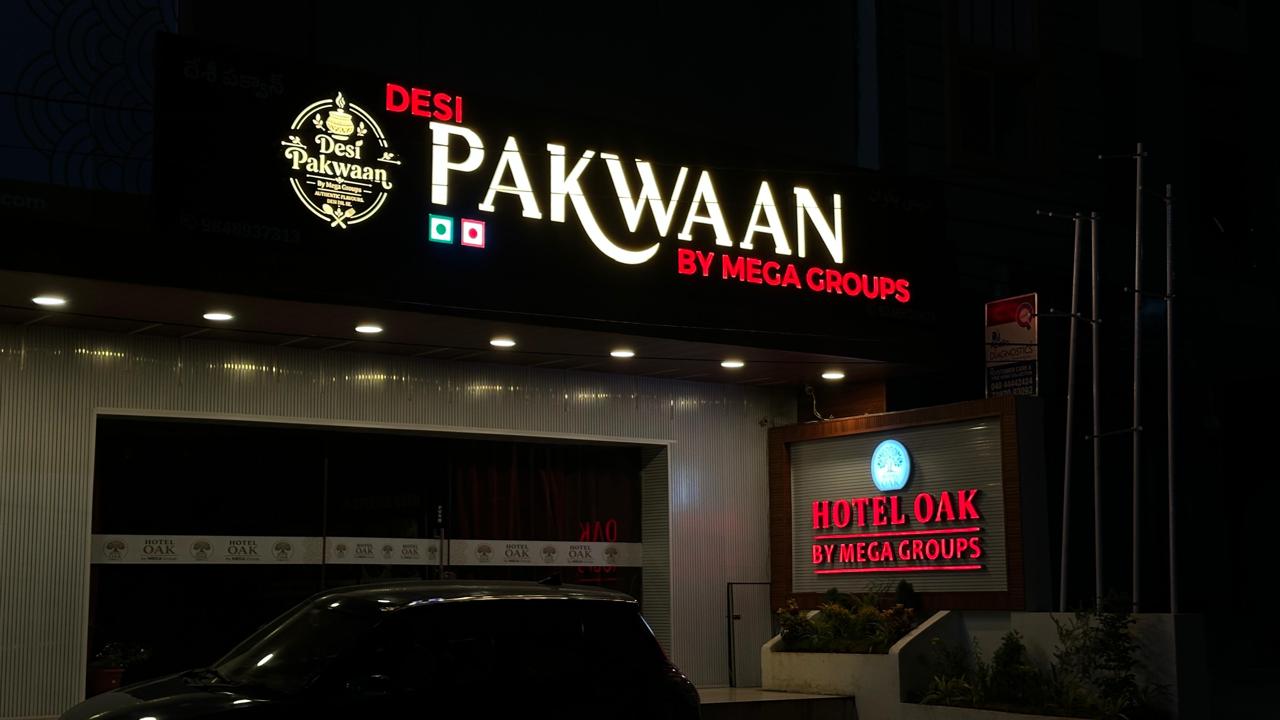
Walk down any Indian market street in the last week of October and you can see the festive economy switch on: shopfronts lit up, markets packed past midnight, families moving from store to store with shopping bags, and brands competing for attention on every surface. This is the run-up to Diwali, and for retailers and brands it is the single most important commercial window of the year. But the businesses that win Diwali are not the ones that put up one hoarding the week before. They are the ones who planned a sustained, multi-format presence, an illuminated storefront, branded autos through the catchment, a van at the busiest market, an insert with the festive offer, and started in mid-October, not on Diwali eve. This guide is the complete 2026 plan: when to start, which formats to use and why, what each budget level buys, how it varies by city, and how to measure it.
Why Diwali is India's biggest advertising season
Diwali is not just a festival; it is the peak of the Indian consumer year. It is the season when households buy jewellery and gold, consumer electronics, new vehicles, apparel, home goods, and gifts, and when discretionary spending across categories reaches its annual high. Unlike regional festivals that dominate one state, Diwali is celebrated nationwide, which makes it the broadest advertising opportunity of the year for any brand selling to Indian consumers. The combination of high spending, wide geography, and a weeks-long buying window means advertising demand peaks too, and so does competition for attention. That is precisely why a planned, multi-format approach matters: in the noisiest advertising window of the year, a single format rarely cuts through.
When does Diwali 2026 fall, and when should you start?
Diwali 2026 falls on November 8, with Dhanteras, the traditional start of festive buying (especially for gold, jewellery, and utensils), on November 6, and the festive run continuing through Govardhan Puja and Bhai Dooj to November 10. But the shopping season does not begin on Dhanteras; it builds from mid-October, immediately after Dussehra, as households start planning purchases. Your advertising should therefore be live from mid-to-late October and sustained to Diwali. To make that happen, book by early-to-mid September, roughly eight weeks ahead. This is critical in 2026 because the Diwali season stacks directly on top of the Navratri and Dussehra window, so prime auto fleets, mobile vans, newspaper-insertion slots, and signage-installation teams are all in peak demand and sell out early. Booking in September locks capacity and standard rates; leaving it to October means paying more for less choice.
The Diwali multi-format advertising plan
Because Diwali is long and citywide, the strongest campaigns layer formats, each doing a distinct job. Here is how the four core formats fit a Diwali plan.
Auto branding: citywide festive frequency
Branded autos are the affordable base layer of a Diwali campaign, circulating your catchment all day and building the repeated exposure that turns awareness into a shopping-list decision. At Rs.650 per auto one-time for a hood (Rs.630 from 500 autos, minimum 300 autos), and the most prompt format to deploy, autos give you sustained festive frequency across residential and market areas at the lowest cost-per-impression of any medium. The price is one-time rather than monthly, so the wrap keeps working through Dussehra and Diwali on a single charge, and the 300-auto minimum means the base layer is a Rs.1,95,000 commitment before GST. For most retailers, a concentrated auto fleet in the catchment around their stores is the foundation everything else builds on.
Mobile vans: mall and market bursts
Mobile vans deliver concentrated impact where Diwali footfall peaks, outside malls, in major market hubs, and through busy residential pockets in the evenings. At Rs.3,000 to Rs.9,000 per van per day, with LED vans the premium night option, vans are the format for a launch, a flagship offer, or an experiential activation during the season. A van parked at the right market on the busiest shopping weekend can anchor a campaign that the auto base then reinforces day to day.
Newspaper insertion: the Diwali offer drop
Newspaper insertion is how you put a specific Diwali offer, discount, or catalogue directly into chosen households, at Rs.1.25 per A5 copy, Rs.1.70 per A4 or Rs.2.20 per A2 on a 50,000-copy minimum, so one A5 drop is Rs.62,500, targeted to the pincodes that matter. During Diwali, when readers are actively shopping, a well-timed insert drives store visits and is especially strong for electronics, jewellery, furniture, and real estate. For real estate in particular, an A2 insert printed on newsprint stock reads as part of the paper rather than a flyer, lifting trust. Time the drop to the Dhanteras-to-Diwali peak for maximum effect.
Illuminated shop name boards: the signature Diwali format
If Diwali is the festival of lights, the illuminated shop name board is its signature advertising format. An LED or glow sign board makes a storefront glow through the whole season, stands out on a crowded festive market street, and pulls in the evening footfall when Diwali shopping peaks. At Rs.180 to Rs.450 per square foot installed, it is a one-time investment rather than a recurring spend, and unlike a campaign that ends on Diwali, a good board keeps working through the wedding season and across the year. For any physical retailer, installing or refreshing an illuminated board before Diwali is the single highest-return move on this list, and it should anchor the rest of the plan.
How much does Diwali advertising cost? Budget tiers
Diwali advertising scales with ambition, from a single-store local burst to a multi-city brand campaign. The three tiers below show what each budget level realistically buys in 2026. The key principle across all of them: because Diwali is a multi-week season, spread the spend across mid-October to Diwali rather than concentrating it on a single day.
Diwali 2026 advertising budget tiers
Local burst
For a single store: one 50,000-copy A5 insert drop (Rs.62,500), a refreshed illuminated board and a van day on the peak weekend. Below the 300-auto minimum, so no auto fleet.
- One 50,000-copy A5 insert drop with your offer (Rs.62,500)
- A refreshed or new illuminated shop name board
- A van day on the peak shopping weekend
- Festive local-language creative
- Best for a single retailer or clinic
City campaign
For a multi-store retailer or regional brand wanting citywide festive coverage and an offer push.
- A 300-auto hood base (Rs.1,95,000 one-time) across your catchments
- Two to three mobile vans for market bursts
- A pincode-targeted newspaper-insert drop
- Illuminated boards across store locations
Multi-city brand
For a brand running a coordinated festive campaign across several cities.
- Multi-city auto fleets and LED vans
- Large newspaper-insert drops by city
- Premium signage and experiential activations
- Coordinated multi-week festive presence
How does Diwali advertising vary by city?
Diwali is nationwide, but the emphasis shifts by city. In Mumbai and Pune, the festive run follows close on Ganesh Chaturthi and Navratri, so demand and rates are at a sustained high from September; remember that Mumbai auto branding is suburban only. In Delhi NCR, the markets of Karol Bagh, Lajpat Nagar, Sarojini Nagar, and the Gold Souk see intense Dhanteras-to-Diwali buying, and Hindi-led creative is essential. In Ahmedabad and Gujarat, Diwali follows the Navratri peak and also marks the start of the Gujarati new year, extending the season. In Chennai, Hyderabad, and the South, Diwali is significant though the festive calendar differs, and local-language creative remains key. In Kolkata, Diwali and Kali Puja follow Durga Puja, continuing an already long festive run. The constant everywhere is to lead in the local language and spread the campaign across the multi-week window.
Common Diwali advertising mistakes to avoid
Three mistakes cost brands the most every Diwali. The first is single-day thinking: concentrating budget on Diwali itself when the buying decision was made over the preceding weeks; spread the campaign from mid-October instead. The second is booking late: leaving fleet, vans, inserts, and signage to October, when capacity is gone and rates have firmed up; book by September. The third is one-format thinking: relying on a single medium in the noisiest advertising window of the year; layer an auto base, a van burst, an insert offer, and an illuminated board so the brand is present at frequency, at impact, with an offer, and at the storefront. Avoid these three and a modest budget can dominate a catchment through the season.
How do you measure a Diwali campaign?
Treat Diwali advertising as a frequency-and-conversion exercise across the season, not a single-burst event. Put a campaign-specific phone or WhatsApp number and a QR-linked landing page on every format, run a clear festive offer so response is attributable, and ask in-store where customers heard about you through the season. Benchmark transit formats against cost-per-thousand, and judge the campaign on the footfall, enquiry, and sales lift in your catchment across the full mid-October to Diwali window versus the spend. Because festive purchases, especially jewellery, electronics, and home, build over weeks of consideration, a campaign measured only on the final two days will badly under-read its true contribution. The cleanest signal for a retailer is the season-over-season lift in walk-ins and billing in the catchment you saturated.
Diwali is the one season where the upside justifies a full, planned, multi-format push. Start in September, anchor on an illuminated storefront, build citywide frequency with autos, add vans for impact and inserts for the offer, lead in the local language, and run the whole way from mid-October to Diwali. Do that and you will not just be present in the festival of lights; you will be the brand the catchment remembers when it is ready to buy.
When should I start my Diwali advertising campaign?
Your advertising should be live from mid-to-late October and run to Diwali on November 8, because festive buying builds from mid-October, right after Dussehra. To achieve that, book the campaign by early-to-mid September, about eight weeks ahead. Diwali demand stacks on the Navratri and Dussehra season, so prime auto fleets, mobile vans, newspaper-insertion slots, and signage-installation teams sell out early. A September booking secures capacity and standard rates; waiting until October means higher prices and less choice during the busiest advertising window of the year.
What is the single most effective Diwali advertising format for a shop?
For a physical store, an illuminated shop name board is the highest-return Diwali format. Diwali is the festival of lights, so a lit LED or glow-sign storefront is the most natural festive signal, it stands out on a crowded market street, and it draws the evening footfall when Diwali shopping peaks. At Rs.180 to Rs.450 per square foot it is a one-time investment, not a recurring cost, and it keeps working through the wedding season and the year. Anchor your Diwali plan on the board, then add a newspaper insert for your offer and, budget permitting, branded autos for catchment frequency.
How much should a small business spend on Diwali advertising?
A small business can run an effective Diwali campaign from about Rs.1 lakh before GST. That funds one pincode-targeted 50,000-copy A5 insert drop with your Diwali offer (Rs.62,500), a refreshed illuminated shop name board so the storefront glows through the season, and a van day on the busiest weekend, all with local-language creative. Branded autos need the 300-auto minimum of Rs.1,95,000, so add them only when budget allows. The keys are concentration in one catchment and timing, from mid-October to Diwali.
Should Diwali advertising be a single burst or a sustained campaign?
A sustained campaign, not a single burst. Festive purchase decisions, especially for jewellery, electronics, vehicles, and home, build over several weeks of consideration before the Dhanteras-to-Diwali buying peak, so a campaign spread across mid-October to Diwali consistently outperforms a single-day or single-week push. Spreading the spend also keeps your brand present through the whole shopping window when competitors who concentrate on Diwali eve are absent earlier. Plan for frequency over weeks, with the heaviest weight in the Dhanteras-to-Diwali days, rather than one expensive splash at the end.
Does Diwali advertising need local-language creative?
Yes, in almost every market. Diwali is celebrated nationwide but bought locally, and local-language or bilingual creative converts better with the everyday shopper, Hindi across the North and Central belt, Marathi in Maharashtra, Gujarati in Gujarat, Tamil, Telugu, Kannada, and Bengali in their states. Many municipal signage rules also require local-language prominence. The common mistake is running one English creative nationwide; lead in the local language with the festive offer clear, and keep English secondary except for premium or corporate audiences. This single decision materially lifts response across the season.
Tags
Quick Answers
When is Diwali 2026, and when should you start advertising?
Diwali 2026 falls on November 8, with Dhanteras, the start of festive buying, on November 6. But the shopping season builds from mid-October, right after Dussehra, so the advertising should start in mid-to-late October and run to Diwali. Practically, book your campaign by early-to-mid September, eight weeks ahead, because Diwali demand stacks on top of the Navratri and Dussehra season and prime auto fleets, mobile vans, newspaper-insertion slots, and signage-installation dates all sell out. A campaign locked in September secures the best capacity and standard rates.
What is the best advertising format for Diwali?
There is no single best format; Diwali rewards a multi-format plan because the season is long and citywide. Use branded autos for sustained, low-cost festive frequency across your catchment; mobile vans for high-impact bursts at malls, markets, and residential hubs; newspaper inserts for the time-bound Diwali offer or catalogue; and an illuminated shop name board, the signature Diwali format, to make your storefront glow through the season. A retailer might lead with autos and a lit board; a brand might add vans and large insert drops. Layering beats relying on one.
How much does a Diwali advertising campaign cost in India?
A focused single-city Diwali campaign runs roughly Rs.4 to Rs.9 lakh before GST, because each format carries a minimum order. The auto base alone is 300 hoods at Rs.1,95,000 one-time, and one 50,000-copy A5 insert drop is Rs.62,500. A single store can start near Rs.1 lakh with one insert drop, a lit board and a van day, skipping autos. A multi-city brand campaign with LED vans, large insert drops and premium signage runs Rs.10 lakh and up. Spread the spend from mid-October to Diwali.
Why are illuminated shop name boards important for Diwali?
Because Diwali is the festival of lights, and a lit storefront is the most natural, highest-impact signal a shop can send during it. An illuminated shop name board, in LED or glow sign, makes the store glow through the whole season, stands out on a busy festive market street, and draws footfall in the evenings when Diwali shopping peaks. Unlike a campaign that ends, the board is a one-time investment that keeps working long after Diwali, through the wedding season and the year. For any retailer, refreshing or installing an illuminated board is the signature Diwali advertising move.
Looking for professional Transit Advertising services?
The Mediaverse runs end-to-end transit advertising campaigns across India with geo-tagged delivery and transparent, all-inclusive pricing.
Explore our Transit Advertising solutionsSummarize this guide with AI
Open this article in your favourite AI assistant
Related Guides
Written by

The Mediaverse Team
India's Leading Outdoor Advertising Agency
The Mediaverse is a national-level outdoor advertising and integrated marketing organization that provides complete OOH, ATL, BTL, retail, and transit media solutions across India. With years of experience executing high-performance campaigns for brands in FMCG, Real Estate, E-commerce, EdTech, Automotive, Healthcare, and Retail, The Mediaverse combines creativity, data-driven media planning, and flawless on-ground execution. As a full-stack outdoor advertising provider, The Mediaverse offers Auto Branding, Mobile Van Branding, Newspaper Insertion Advertising, Shop Name Board Branding, In-Store Branding, Hoardings, Transit Media, Kiosks, Mall Media, Activations, and all forms of Below-The-Line marketing. Known for its pan-India network, strategic route planning, premium print quality, and Cheqmate™ GPS-based verification, The Mediaverse ensures 100% transparent and result-oriented campaign delivery. The Mediaverse’s editorial team produces deeply researched, SEO-optimized, and generative-engine-friendly content to help businesses understand the power of outdoor advertising and make informed decisions that maximize brand visibility and ROI across urban, suburban, and rural markets.
Related Articles
The Smallest Order in Every Outdoor Format in Bangalore, Side by Side (2026)
Six outdoor formats, six different floors, one city. Every Bangalore minimum order with GST added, what each one covers against the denominators our own pages publish, and which to buy first.
Which Outdoor Formats Charge a Festival Premium, and Which Hold Flat All Year (2026)
We checked every published rate card for seasonal pricing. There is one surcharge on the whole site, and it is smaller than the rush fee most buyers pay without noticing. What rises, what holds flat, and how to plan an October campaign backwards from the published lead times.
Do Our Outdoor Rates Differ by City? The Auto and Van Cards Side by Side (2026)
We read all ten published city pages side by side. Auto branding is one national price everywhere. Mobile vans and shop name boards are the city-priced formats, the LED rate varies by 36 percent, and the fabrication line moves a short booking more than the day rate does.