

It is 7 PM on the third night of Ganesh Chaturthi, and the lane outside Lalbaugcha Raja in Mumbai is a slow river of people. The same scene plays out at Dagdusheth in Pune and Khairatabad in Hyderabad: for ten days, lakhs of pedestrians move through a handful of pandal corridors every evening, phones out, attention high, wallets open for festival shopping. For a brand, this is the densest, most attentive hyperlocal audience of the year. But the campaigns that win it were not booked this week; they were booked in late July. This playbook is the six-step process to plan a Ganesh Chaturthi 2026 campaign across Mumbai, Pune and Hyderabad, with the booking timeline, the format mix, the pandal-zone maps, and the budgets to get it right.
Who this playbook is for
This is for retail, FMCG, real-estate, fashion, food, and consumer-durable brands that want to convert Ganesh Chaturthi footfall into walk-ins and sales in Mumbai, Pune, or Hyderabad in 2026. It assumes you want a repeatable, multi-format process rather than a single ad buy. If you run a storefront, a launch, a seasonal offer, or a category that spikes during the festival (sweets, apparel, jewellery, electronics, home), this is your build sheet. The festival window is September 14 to roughly September 23; everything below works backward from those dates.
What you will learn
Five outcomes. First, exactly when to book so you do not lose the prime fleet and routes. Second, how to pick the right format mix for your goal across auto branding, mobile vans, newspaper inserts, and shop signage. Third, the pandal-and-visarjan zone map for each city. Fourth, how to brief festive creative and survive the monsoon tail. Fifth, a realistic timeline and budget. Follow the six steps in order; each lists the action, why it matters, the common mistake, and how we run it.
Step 1: When should you book? Lock dates by late July
Action: confirm your campaign window inside September 14 to 23 and place your booking six to eight weeks ahead, by late July. Why: Ganesh Chaturthi is the single biggest hyperlocal demand spike of the year in these three cities, and prime auto fleets, mobile vans, and pandal-route placements sell out first. Common mistake: treating it like a normal-month buy and booking in early September, when only the leftover fleet and weaker routes remain, at a premium. How we run it: we reserve fleet and routes in July, lock the visarjan-day surge separately, and keep a small buffer for last-minute creative changes.
Step 2: Which format should you use? Pick the mix by goal
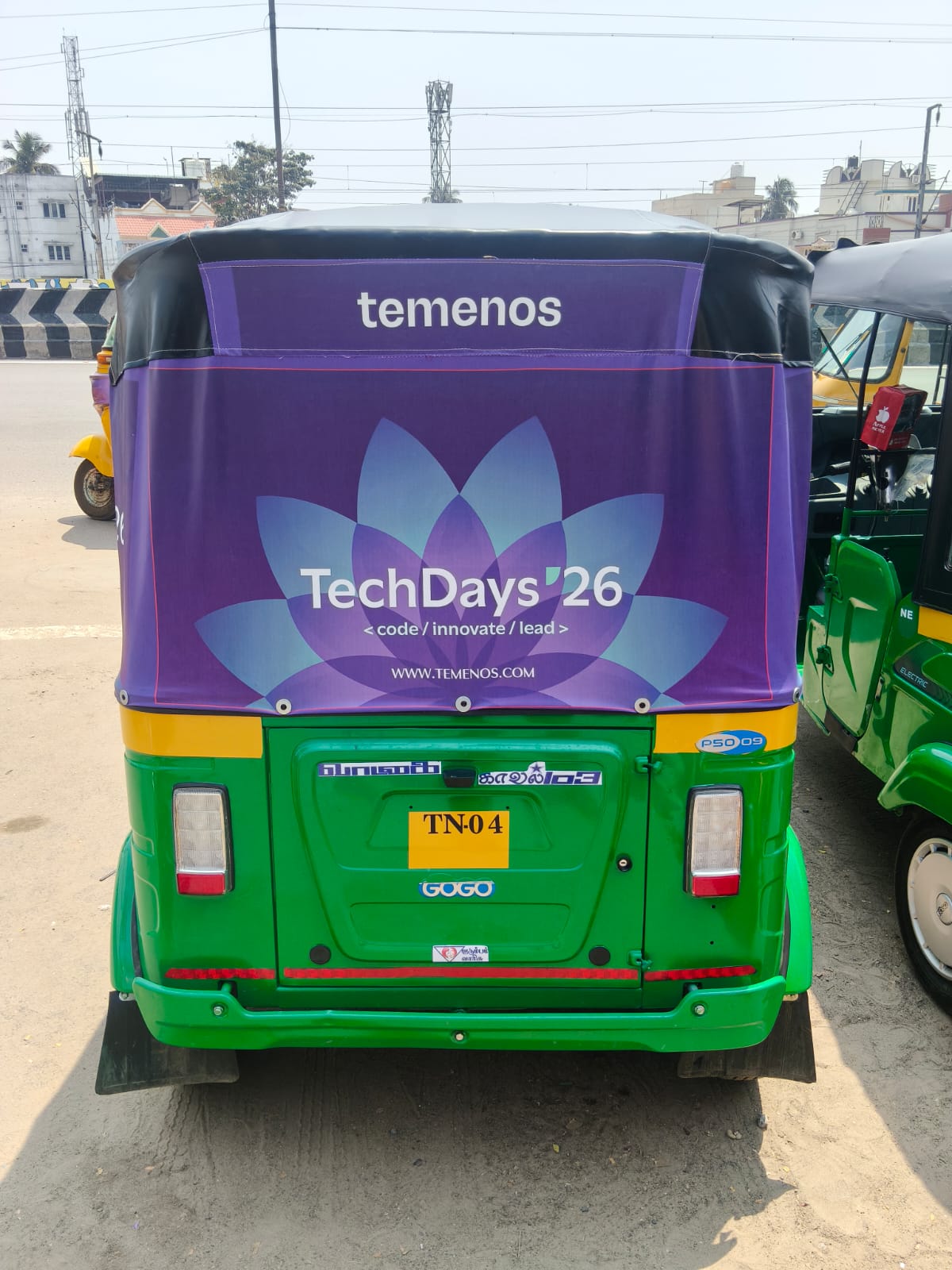
Action: choose two or three formats matched to your objective rather than spreading budget thin. Auto sticker and hood branding is the most prompt, versatile choice for fast citywide festival frequency on any budget, so it is the default base layer. Customised mobile vans suit experiential brands, schools, fashion, furniture, and interiors that want design-led footfall parked near pandals and markets. A2 newspaper inserts, printed on newspaper stock at newspaper size so they read as part of the paper rather than a flyer, are ideal for offer drops, especially real estate. Illuminated shop name boards make a storefront look lit up through the festival. Common mistake: buying one format citywide instead of layering. How we run it: a hood-led auto base for frequency, one or two customised vans for the pandal circuit, inserts for the offer, and a refreshed lit board for retail clients.
Step 3: Map the fleet to the pandal and visarjan zones
Action: route autos and vans onto the festival corridors where footfall concentrates. In Mumbai, that means Lalbaug, Girgaon, Parel, and the visarjan route to Girgaon Chowpatty. In Pune, the Mandai, Dagdusheth, Tulshibaug, and Laxmi Road belt. In Hyderabad, the Khairatabad and Balapur Ganesh zones and the Hussain Sagar visarjan route. Why: festival attention is geographically concentrated, so frequency on these corridors beats thin citywide coverage. Common mistake: running a generic citywide route that misses the pandal density. How we run it: we cluster the fleet on two or three pandal corridors per city and add a visarjan-day routing plan for the final-day procession peak.
Step 4: Brief festive, local-language creative
Action: commission festival-specific artwork in the local language, Marathi for Mumbai and Pune, Telugu for Hyderabad, with festive visual cues and a clear offer or call to action. Why: a generic year-round creative reads as out of place during a festival and converts worse; local-language festive creative signals you are part of the celebration. Common mistake: reusing an English metro creative across all three cities. How we run it: Marathi-first for Mumbai and Pune, Telugu-first for Hyderabad, with the offer and phone or QR prominent, and a clean design that photographs well against pandal backdrops.
Step 5: Handle compliance and the monsoon tail
Action: confirm owner and driver consent, route compliance with MCGM, Pune Municipal Corporation, or GHMC, and insist on hot-laminate vinyl. Why: September is the tail of the monsoon in Mumbai and Pune, and cheap vinyl peels in festival rain, turning a campaign into a liability at the worst possible moment. Common mistake: skipping the lamination spec to save a little, then watching artwork degrade mid-festival. How we run it: hot-laminate as standard, a free-replacement clause for rain-damaged units, and written confirmation of consent and route compliance before the festival starts.
Step 6: Launch, track, and plan the visarjan surge
Action: launch two to three days before the festival starts so recall is built by peak nights, track with a campaign-specific number and QR, and put extra fleet on the visarjan-day routes. Why: the final visarjan day draws the single largest crowds, and a campaign that fades before it misses the peak. Common mistake: launching on day one and running out of steam, or under-resourcing the visarjan procession. How we run it: a pre-festival launch, daily route adjustments based on crowd movement, and a reinforced fleet on the final procession day. This is the point to lock your vendor, or let us run the full plan for you.
How much does a Ganesh Chaturthi campaign cost? Timeline and budget
Timeline: late July, lock dates, zones, and fleet. Early August, finalise the format mix and brief creative. Mid August, approve artwork and confirm compliance. Early September, print and pre-position. September 11 to 12, launch. September 14 to 23, run, with reinforced routing for the visarjan peak. Budget, per city for the ten days: a focused plan of around 30 branded autos plus two mobile vans runs roughly Rs 1.5 to 3 lakh before GST, with auto stickers and hoods as the budget base and customised LED vans pushing the upper end. The format guide below shows what each option is best for and where the costs start.
Ganesh Chaturthi 2026 format guide: which to use and what it costs
| Best for | Starting cost (2026) | |
|---|---|---|
| Auto stickers & hoods | Fast, citywide festival frequency on any budget | Rs 550 to 650 per auto/month (30 autos from ~Rs 16,500) |
| Customised mobile vans | Experiential footfall for schools, fashion, furniture, interiors | Rs 3,000 to 9,000 per van/day |
| A2 newspaper inserts | Offer drops and real estate, with a native newspaper feel | Rs 0.80 to 1.20 per pamphlet |
| Illuminated shop name board | A lit, festive storefront that keeps working beyond the festival | Rs 180 to 400 per sq ft (one-time) |
Costs are 2026 starting points and vary by city, volume, customisation, and festival-period demand. Request a free quote for an exact plan.
The final checklist
Booked by late July. Format mix chosen by goal (auto base, customised vans, inserts, lit board). Fleet clustered on named pandal and visarjan corridors. Festive local-language creative approved (Marathi or Telugu). Hot-laminate vinyl and a rain-replacement clause confirmed. Owner, driver, and route compliance in writing. Campaign-specific number and QR live for tracking. Pre-festival launch scheduled. Visarjan-day fleet reinforced. Tick all nine and you are ready for the biggest hyperlocal window of the year.
Lock your dates and book by late July
Confirm your campaign window inside September 14 to 23 and place your booking six to eight weeks ahead. Prime auto fleets, mobile vans, and pandal-route placements in Mumbai, Pune, and Hyderabad sell out first, so booking in July secures the best fleet and routes at standard rates.
Pick your format mix by goal
Choose two or three formats matched to your objective: auto stickers and hoods for fast citywide frequency, customised mobile vans for experiential footfall, A2 newspaper inserts for offer drops, and illuminated shop name boards for a festive storefront. Layer formats rather than buying one citywide.
Map the fleet to the pandal and visarjan zones
Route autos and vans onto the festival corridors: Lalbaug, Girgaon and the Girgaon Chowpatty visarjan route in Mumbai; Mandai, Dagdusheth and Laxmi Road in Pune; Khairatabad and the Hussain Sagar route in Hyderabad. Cluster the fleet on two or three corridors per city for frequency.
Brief festive, local-language creative
Commission festival-specific artwork in Marathi for Mumbai and Pune and Telugu for Hyderabad, with festive cues and a clear offer. Avoid reusing a generic English metro creative; local-language festive design signals you are part of the celebration and converts better.
Handle compliance and the monsoon tail
Confirm owner and driver consent and route compliance with MCGM, Pune Municipal Corporation or GHMC, and insist on hot-laminate vinyl because September is the monsoon tail in Mumbai and Pune. Get a free-replacement clause for rain-damaged units in writing before the festival.
Launch, track, and plan the visarjan surge
Launch two to three days before the festival so recall is built by peak nights, track with a campaign-specific number and QR, and reinforce the fleet on the visarjan-day procession routes, which draw the largest crowds. Adjust routing daily based on crowd movement.
How far ahead should I book a Ganesh Chaturthi campaign?
Six to eight weeks, by late July 2026. Ganesh Chaturthi (September 14 to 23) is the biggest hyperlocal demand spike of the year in Mumbai, Pune, and Hyderabad, and prime auto fleets, mobile vans, and pandal-route placements sell out first. Booking in July locks the best fleet, the strongest pandal corridors, and standard rates. Campaigns booked in early September pay a premium for whatever fleet and routes are left over, which are rarely the high-footfall ones.
What is the single most common Ganesh Chaturthi campaign mistake?
Buying one format citywide instead of layering formats on the pandal corridors. A thin citywide auto buy misses the geographic concentration of festival footfall. The fix is to cluster a hood-led auto base plus one or two customised vans on two or three named pandal-and-visarjan corridors per city, add newspaper inserts for the offer, and refresh shop signage for retail. Concentration on festival corridors beats coverage every time during these ten days.
Does the monsoon affect a Ganesh Chaturthi campaign?
Yes, in Mumbai and Pune. September is the tail of the southwest monsoon, so festival auto and van artwork must use hot-laminate vinyl or it peels in the rain at the worst possible time. Always confirm hot-laminate and a free-replacement clause for rain-damaged units in writing before the festival. Hyderabad is drier in September, but hot-laminate is still the safer specification for a ten-day high-visibility festival campaign where artwork quality directly reflects on the brand.
Is Ganesh Chaturthi advertising worth it for a small shop or local business?
Yes, and it is often the best-value window of the year for a small business. A modest plan, even 10 to 15 branded autos clustered on your nearest pandal corridor plus an illuminated shop board, puts you in front of the densest local footfall of the year at a fraction of hoarding cost. For a single neighbourhood, concentrate a small auto fleet within a 2 to 3 km radius of your shop and the high-footfall pandal nearest you, and add a festive offer. Frequency in a tight radius, not citywide reach, is what drives walk-ins for a local store.
Should I advertise during Ganesh Chaturthi or wait for Diwali?
Do both if you can, because they serve different moments, but never skip Ganesh Chaturthi in Maharashtra and Telangana, it is the bigger local-footfall event there. Ganesh Chaturthi (September) drives ten days of intense, concentrated pandal-corridor footfall, ideal for immediate walk-ins and offers. Diwali (November) is a longer, citywide buying season better suited to a sustained multi-week campaign and illuminated signage. The strongest plan books a focused Ganesh Chaturthi burst now and a broader Diwali campaign next, rather than choosing one.
Tags
Quick Answers
When should I book a Ganesh Chaturthi 2026 advertising campaign?
Book six to eight weeks ahead, by late July 2026, because Ganesh Chaturthi runs September 14 to roughly September 23 and prime auto fleets, mobile vans and pandal-route placements sell out fast in Mumbai, Pune and Hyderabad. The festival is the single biggest hyperlocal demand spike of the year in these cities, so vendor capacity tightens sharply in the four weeks before. Lock dates, zones and creative early; last-minute campaigns pay more and get the leftover fleet and routes.
Which advertising format works best for Ganesh Chaturthi?
Match the format to your goal. Auto sticker and hood branding is the most prompt, versatile choice for fast citywide festival frequency on any budget. Customised mobile vans suit experiential brands (schools, fashion, furniture, interiors) that want design-led footfall at pandals and markets. A2 newspaper inserts work for offer drops, especially real estate. Illuminated shop name boards (LED or glow sign) make a storefront look lit up and festive through the ten days. Most festival campaigns blend two or three of these rather than relying on one.
Which cities and zones matter most for Ganesh Chaturthi advertising?
Mumbai and Pune are the heartland, with Hyderabad close behind. In Mumbai, concentrate around the Lalbaug, Girgaon, Parel and the visarjan routes to Girgaon Chowpatty. In Pune, the Mandai, Dagdusheth, Tulshibaug and Laxmi Road belt carries the heaviest festival footfall. In Hyderabad, the Khairatabad and Balapur Ganesh zones and the visarjan route to Hussain Sagar draw huge crowds. Place autos and vans on the pandal-and-procession corridors where pedestrian dwell time peaks during the festival.
How much does a Ganesh Chaturthi outdoor campaign cost?
For one city over the ten-day festival, a focused plan of around 30 branded autos plus two mobile vans typically runs roughly Rs 1.5 to 3 lakh before GST, depending on the format mix and whether vans are standard or fully customised. Auto stickers and hoods are the most budget-friendly base layer; customised LED vans and full wraps push the upper end. Newspaper inserts add roughly Rs 0.80 to 1.20 per pamphlet, and an illuminated shop board is a one-time Rs 180 to 400 per square foot investment that keeps working beyond the festival.
Looking for professional Transit Advertising services?
The Mediaverse runs end-to-end transit advertising campaigns across India with geo-tagged delivery and transparent, all-inclusive pricing.
Explore our Transit Advertising solutionsSummarize this guide with AI
Open this article in your favourite AI assistant
Related Guides
Written by

The Mediaverse Team
India's Leading Outdoor Advertising Agency
The Mediaverse is a national-level outdoor advertising and integrated marketing organization that provides complete OOH, ATL, BTL, retail, and transit media solutions across India. With years of experience executing high-performance campaigns for brands in FMCG, Real Estate, E-commerce, EdTech, Automotive, Healthcare, and Retail, The Mediaverse combines creativity, data-driven media planning, and flawless on-ground execution. As a full-stack outdoor advertising provider, The Mediaverse offers Auto Branding, Mobile Van Branding, Newspaper Insertion Advertising, Shop Name Board Branding, In-Store Branding, Hoardings, Transit Media, Kiosks, Mall Media, Activations, and all forms of Below-The-Line marketing. Known for its pan-India network, strategic route planning, premium print quality, and Cheqmate™ GPS-based verification, The Mediaverse ensures 100% transparent and result-oriented campaign delivery. The Mediaverse’s editorial team produces deeply researched, SEO-optimized, and generative-engine-friendly content to help businesses understand the power of outdoor advertising and make informed decisions that maximize brand visibility and ROI across urban, suburban, and rural markets.
Related Articles
Which Outdoor Formats Charge a Festival Premium, and Which Hold Flat All Year (2026)
We checked every published rate card for seasonal pricing. There is one surcharge on the whole site, and it is smaller than the rush fee most buyers pay without noticing. What rises, what holds flat, and how to plan an October campaign backwards from the published lead times.
Do Our Outdoor Rates Differ by City? The Auto and Van Cards Side by Side (2026)
We read all ten published city pages side by side. Auto branding is one national price everywhere. Mobile vans and shop name boards are the city-priced formats, the LED rate varies by 36 percent, and the fabrication line moves a short booking more than the day rate does.
What Outdoor Advertising Costs After GST: Landed Totals for 2026
Every outdoor rate card on this site is quoted before tax. Landed 18% GST totals for all five formats, the entry ticket ladder from Rs.1,003 to Rs.2,30,100, what a tax-inclusive budget really buys, and when you get the tax back.