

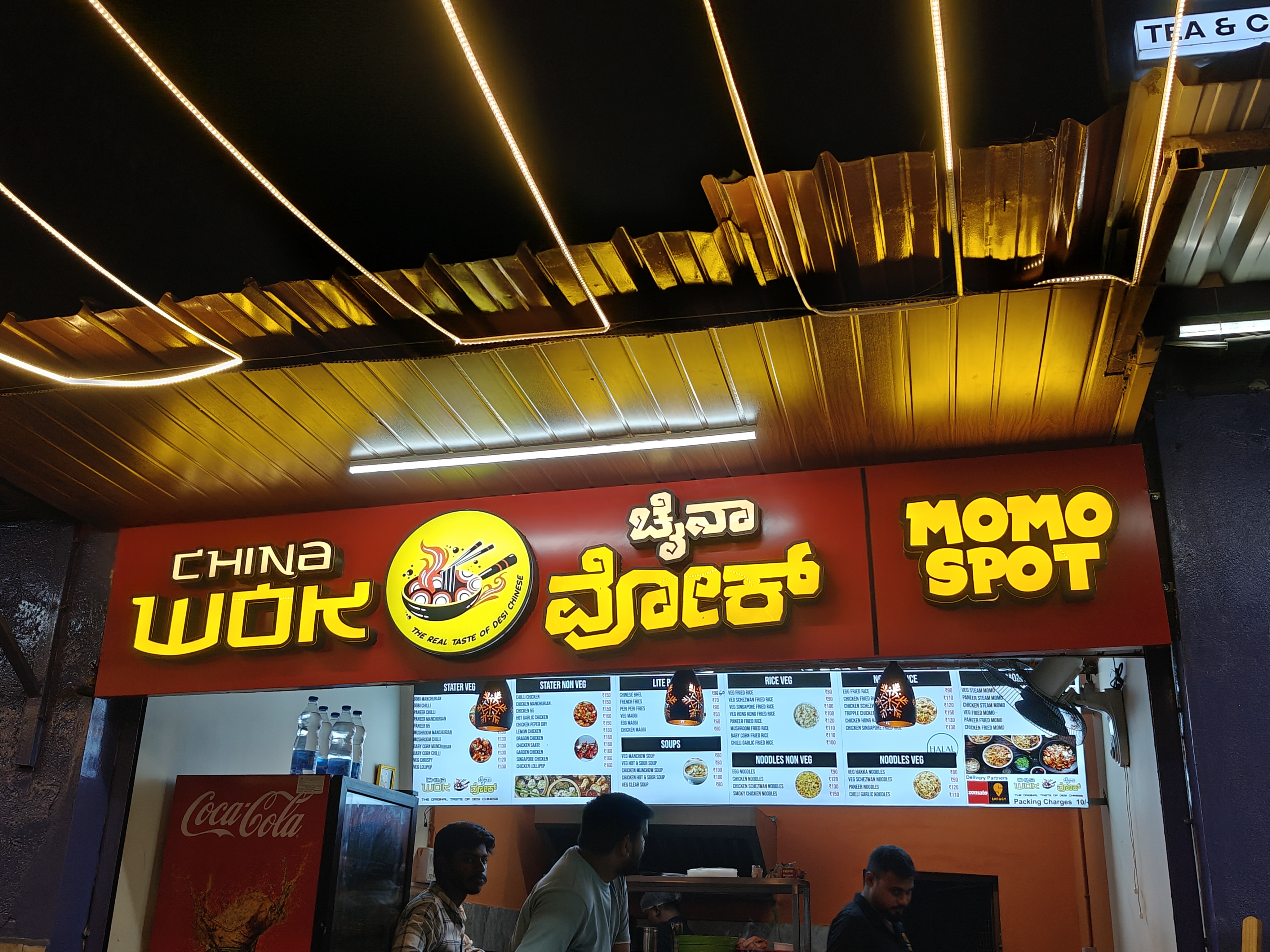
How much does a shop name board cost, what material actually lasts, do you need municipal permission, must it be in the local language, and which board should you choose for your city and budget? These are the questions every Indian retailer faces, and the answers are scattered and often wrong. This guide brings them together. A shop name board is the highest-return advertising most shops will ever own: a one-time investment that works every hour the storefront is visible, for years. Getting it right is less about spending more and more about five decisions, material, illumination, compliance, language, and climate-durability, that together determine whether the board lasts and performs or fades, warps, and falls foul of the rules. At roughly Rs 180 to 400-plus per square foot installed in 2026, it is also one of the most affordable. Here is everything you need to decide well.
What is a shop name board, and why is it your highest-ROI advertising?
A shop name board is the signage above or across a storefront that carries the shop's name and identity. It is the most fundamental piece of advertising a retailer owns, and the most cost-effective, because unlike a campaign that runs for a month, a board works continuously for years from a single, modest investment. It does three jobs at once: it tells passers-by what the shop is, it makes the shop findable to customers looking for it, and it signals quality, a sharp, bright, well-made board says a well-run business, while a faded, peeling one quietly says the opposite. For a footfall-driven business, the board is the conversion point where street attention becomes a visit. That is why it deserves more thought than its price suggests: the cost is small, but the return, compounded over years of visibility, is the largest of any format per rupee spent.
How much does a shop name board cost? Materials and prices
Material is the main driver of cost, not size. The table below sets out the main options and their 2026 per-square-foot cost installed, before any municipal advertisement fee. A common 10-foot by 4-foot board is 40 square feet, so a basic ACP board lands around Rs 7,200, an LED-backlit ACP board around Rs 14,000 to 18,000, and acrylic 3D lettering higher.
Shop name board materials and 2026 cost (India)
| Cost per sq ft (installed) | Best for | |
|---|---|---|
| ACP board (non-lit) | From Rs 180 | Value retail, daytime trade, durable everyday signage |
| ACP + LED backlit | Rs 350 to 450 | Evening-trading markets, competitive streets, night visibility |
| Acrylic 3D letters | Premium (Rs 400-plus) | Boutiques, showrooms, premium high streets |
| Flex glow sign | Budget (from ~Rs 150) | Short-term, temporary, or very tight-budget signage |
2026 starting points installed, before any municipal advertisement fee; actuals vary by size, height, structure, electrical work, and your city's climate. Request a free site quote.
Shop board materials explained: ACP, acrylic, flex, and LED
ACP, aluminium composite panel, is the workhorse of Indian shop signage: a rigid, flat panel with a printed or vinyl face that holds its shape, wipes clean, and lasts for years, supplied either non-lit or with LED backlighting behind a translucent face. Acrylic is used for premium 3D lettering, individual raised letters that give a high-end, design-led look, often combined with LED for a backlit or halo effect. Flex is a printed flexible sheet, the cheapest option, used for glow signs and temporary boards, but it warps in heat, traps moisture in damp, and degrades faster than the rigid materials, so it is best treated as short-term. LED is not a board material but the illumination, modern energy-efficient modules that light a board from within. For most shops, the practical choice is ACP, lit or unlit, with acrylic for a premium storefront and flex reserved for genuinely temporary needs.
Lit or unlit? Choosing illumination
After material, illumination is the biggest decision, and it usually comes down to your trading hours and how competitive your street is. A non-lit ACP board relies on daylight or street lighting and is the cheaper, lower-maintenance option, ideal for daytime trade, tight budgets, or well-lit locations. An LED-backlit board glows after dark, keeping the shop visible when a non-lit board fades out, which matters for evening-trading markets, crowded streets, and night-time categories like food, pharmacy, and salons; the extra cost buys visible hours, and the value peaks in the festive season. The running cost of modern LED is modest. For most Indian retail that trades into the evening, the LED-backlit ACP board is the higher-return default, while a non-lit board is the smart value pick for daytime or budget shops. We cover this choice in depth in our dedicated comparison of an ACP board versus an LED sign board.
Shop board cost by type: a clearer breakdown
To make the trade-offs concrete, here are the three boards most shops choose between, with what each includes and suits. Flex remains the budget option below these, for temporary use only.
Shop name board options at a glance
Non-lit ACP board
The durable, value choice for daytime trade and tight budgets.
- Rigid ACP panel, printed face
- Holds shape, wipes clean, years of life
- No running cost
- Relies on daylight or street lighting
LED-backlit ACP board
The recommended default for evening trade and competitive streets.
- ACP panel with internal LED backlighting
- Glows after dark, buys visible hours
- Modest running cost
- Peaks in value during the festive season
Acrylic 3D letters
The premium, design-led look for boutiques and showrooms.
- Individual raised acrylic letters
- Optional LED backlit or halo effect
- High-end, modern appearance
- Best for premium positioning
2026 starting points installed, before municipal fees; final cost depends on size, structure, electrical work, and climate-grade specification.
Do you need municipal permission for a shop name board?
In general, yes. Municipal corporations regulate outdoor signage and levy advertisement fees, so a commercial board usually needs to comply with the local body's norms and pay the applicable fee, typically alongside the establishment's trade licence. The body and rules differ by city, the MCGM in Mumbai, the MCD and NDMC in Delhi, the GHMC in Hyderabad, the GCC in Chennai, the KMC in Kolkata, the AMC in Ahmedabad, and the Nagar Nigams elsewhere, and each sets its own fee schedule and size and placement norms. Heritage areas add a further layer: the Jaipur Pink City and Ahmedabad's walled city, both UNESCO World Heritage areas, and districts like Connaught Place in Delhi or Hazratganj in Lucknow, prescribe uniform or restricted signage. Because the rules and fee depend on your exact location, confirm them before fabricating, budget the municipal cost as a real line item, and ideally use a vendor who handles the compliance, since a non-compliant board can mean a penalty or removal.
Language rules: showing your name in the local language
Most Indian states expect commercial establishments to display the shop name prominently in the state language, alongside English: Marathi in Maharashtra, Hindi across the Hindi belt, Telugu in Telangana, Tamil in Tamil Nadu, Kannada in Karnataka, Bengali in West Bengal, Gujarati in Gujarat, and so on, with some cities, like Lucknow, also carrying a rich Urdu tradition many shops draw on. The right approach everywhere is to treat the local-language name as a headline element of the board, not a small line bolted underneath the English, both to meet the requirement and because it reads as more local and welcoming to the everyday customer who reads that language first. The exact rule on prominence can be revised, so confirm the current requirement for your state, but designing with the local language shown boldly is the safe, sensible 2026 default, and a good vendor builds it in from the first drawing rather than retrofitting it.
Climate and durability: matching the board to your city
The single biggest factor in how long a board lasts is matching the material to the local climate, and India's climates vary enormously. Coastal cities like Mumbai and Chennai have salt-laden, humid air that corrodes fittings, and Chennai adds cyclone and monsoon winds, so they need marine-grade ACP, sealed edges, corrosion-resistant fixings, and wind-rated mounting. Hot, dry cities like Ahmedabad and Jaipur face extreme heat, strong UV, and dust that warp and fade cheap materials, so they need heat-stable, UV-resistant faces. Humid and monsoon cities like Kolkata and Pune need sealing, mould resistance, and weatherproofed electricals against constant damp and heavy rain. Cities with a wide seasonal swing, like Lucknow and Delhi, need a board built for hot, dusty summers and damp or foggy conditions alike. In every case, this is exactly why flex underperforms: it is least able to handle these stresses. The rule is simple, specify the board for your city's climate, not a generic one, and it will last years rather than a season.
Design best practices for a shop name board
Good shop-board design is about legibility first, decoration second. Lead with the shop name large and clear, in the local language and English, with enough contrast between the letters and the background to read at a glance from across the street and at speed. Keep the layout uncluttered: a name, a short descriptor of what you sell, and contact or location details are usually enough, while a crowded board reads as none of it. Choose a typeface that is clean and legible rather than ornate, size the lettering for the viewing distance, and, for lit boards, make sure the illumination is even so no part of the name is dim. Match the design register to the location, bold and bright in a crowded mass-market street, refined and restrained in a premium or heritage area. And design within your municipal and, where relevant, heritage rules from the first drawing, so the board is compliant by design rather than corrected later.
How to choose and buy a shop name board: step by step
The process below takes you from decision to a compliant, durable board. Work through it in order; the early steps prevent the most expensive mistakes.
Decide lit or unlit
Start with illumination, because it shapes the budget and the material. If your shop trades into the evening, sits on a competitive street, or serves night-time customers, choose an LED-backlit board. If you trade mainly in daylight, watch the budget, or sit under strong street lighting, a non-lit ACP board is the smarter value. This single decision narrows everything that follows.
Pick the material for your climate
Match the material to your city's climate, not a generic spec. Coastal cities need marine-grade, sealed ACP and corrosion-resistant fixings; hot, dry cities need heat-stable, UV-resistant faces; humid and monsoon cities need sealing, mould resistance, and weatherproofed electricals. Default to a sealed ACP panel, with acrylic if you want a premium look, and avoid flex for anything long-term.
Check your municipal rules and language requirement
Confirm which municipal body governs your exact address, its advertisement fee, and its size and placement norms, plus any heritage restrictions if you are in a protected district. At the same time, confirm your state's local-language requirement. Settling both before design avoids a board that has to be redone to comply.
Design for legibility and the local language
Design the board to read at a glance: the name large and clear, in the local language and English, with strong contrast and a clean layout. Make the local-language name a headline element, not an afterthought, and match the design register to your location. For lit boards, ensure even illumination across the name.
Get an itemised quote and verify the build
Ask for an itemised quote that includes the face, frame, fixing, transport, electrical work for lit boards, sealing for your climate, and the municipal compliance, not just a per-square-foot face rate. Verify the material grade and, for your city, the sealing, corrosion-resistant fixings, and weatherproofing, because build quality decides how long the board lasts.
Schedule the install before your peak season
Time the installation so the board is up, lit, and compliant before your busiest period, especially the festive season, when evening footfall peaks and a fresh, bright board returns the most. Allow lead time for design, any approval, fabrication, and installation, and book early if you are installing ahead of a festival rush.
Installation and maintenance
A board is only as good as its installation and upkeep. Proper installation means a sound frame and mounting rated for your location, including wind in coastal and exposed sites, weatherproofed electrical connections for lit boards, and sealing appropriate to your climate, so water, salt, and dust cannot work behind the face or rust the fittings. Maintenance is light but worth doing: an occasional wipe keeps the face bright in dusty or humid cities, and the LED modules and electricals on lit boards benefit from an occasional check over the years. Catching a loose fixing or a failed LED early keeps the board looking sharp and avoids a tired, half-lit sign that undercuts the shop. Built and maintained well, an ACP or acrylic board stays effective for years; built cheaply or neglected, even a good design fades fast.
Shop name boards by city
Because the regulator, the language requirement, and the climate all change by city, the details that matter most are local. We have published in-depth city guides that cover the exact municipal body, language rule, climate-durability advice, market map, and costs for each major city, including Mumbai (MCGM, Marathi, sea-air corrosion), Delhi NCR (MCD and NDMC, Hindi, dust and heat), Hyderabad (GHMC, Telugu), Chennai (GCC, Tamil, coastal wind), Pune (PMC and PCMC, Marathi, monsoon), Kolkata (KMC, Bengali, humidity), Ahmedabad (AMC, Gujarati, extreme heat and the walled city), Jaipur (Nagar Nigam, Hindi, the Pink City heritage rules), and Lucknow (Nagar Nigam, Hindi and Urdu, Hazratganj). If your city is listed, start with its guide for the specifics, then use this pillar for the framework. If it is not, the principles here, material, illumination, compliance, language, and climate, still apply; confirm your local body and state language, and specify the board for your climate.
What is the cheapest durable shop name board?
The cheapest genuinely durable option is a non-lit ACP board, from around Rs 180 per square foot installed. It is rigid, holds its shape, wipes clean, and lasts for years, which makes it a far better long-term buy than flex, which is cheaper still but warps, traps moisture, and degrades quickly. So if budget is the main constraint, a plain ACP board beats flex for durability at a similar entry level. Flex only makes sense for genuinely temporary or very short-term signage. For a multi-year board on a tight budget, a sealed non-lit ACP board specified for your climate is the value choice, and you can always choose the LED-backlit version if evening visibility justifies the extra cost.
How long does a shop name board last?
A well-built ACP or acrylic board, specified and sealed for its climate and installed properly, lasts for years of continuous use, which is what makes the format such good value. The lifespan depends far more on build quality and climate-matching than on the headline price: a board with sealed edges, corrosion-resistant fixings, and, for lit boards, weatherproofed electricals will ride out coastal salt, desert heat, dust, or monsoon damp, while a cheap, unsealed board or a flex sign can look tired within a season or two in a harsh climate. Light maintenance, an occasional wipe and a check of the lighting, extends the life further. In short, build it right for your city and it keeps working for years.
Should a shop name board be illuminated?
It should be if your shop trades into the evening or sits on a competitive street, because an illuminated LED-backlit board keeps the shop visible after dark when a non-lit board fades out, and those visible hours win footfall, peaking in the festive season. For a shop that trades mainly in daylight, in a quieter or already well-lit location, or on a tight budget, a non-lit board is the smarter value and avoids the extra upfront and running cost. So the answer depends on your trading hours and competition: most evening-trading retail benefits from illumination, while daytime or budget shops often do not need it. Decide illumination first, as it shapes the whole specification.
Which language should be on a shop name board?
Lead with your state's language alongside English: Marathi in Maharashtra, Hindi across the Hindi belt, Telugu in Telangana, Tamil in Tamil Nadu, Kannada in Karnataka, Bengali in West Bengal, Gujarati in Gujarat, and so on, with cities like Lucknow also drawing on Urdu. Most states expect the name shown prominently in the local language, and beyond the requirement it makes the shop more approachable to customers who read that language first. Treat the local-language name as a headline element of the board rather than a small secondary line, and confirm the current rule for your state before finalising. Designing with the local language shown boldly is the safe 2026 default.
Do I need approval before installing a shop name board?
In most cities, yes. Municipal corporations regulate signage and charge an advertisement fee, so a commercial board generally needs to comply with the local body's norms and the fee, usually alongside your trade licence, and heritage areas carry extra restrictions on size, colour, and style. The body and rules vary by city, so confirm them for your exact location before fabricating, and budget the municipal cost as a real line item. The simplest route is to use a signage vendor who handles the compliance as part of the job, so the approval and fee are built into the plan and you avoid a penalty or a board that has to be removed for non-compliance.
ACP or acrylic: which should I choose for my shop board?
Choose ACP for a durable, value, all-purpose board, and acrylic when you want a premium, design-led look. ACP is the workhorse: a rigid panel, available non-lit or LED-backlit, that is cost-effective, durable, and legible, suiting the great majority of shops. Acrylic 3D letters are individual raised letters that give a high-end, modern appearance, often used in boutiques, showrooms, and premium high streets, and can be backlit or halo-lit, but they cost more and are not always the most legible at a distance in a crowded mass-market street. So pick ACP for value, durability, and at-a-glance legibility, and acrylic when the look and brand positioning justify the premium and the location suits it.
Tags
Quick Answers
How much does a shop name board cost in India in 2026?
A shop name board in India costs roughly Rs 180 to 400-plus per square foot installed in 2026, depending on material. A standard ACP board starts around Rs 180 per square foot; an ACP board with LED backlighting runs Rs 350 to 450; acrylic 3D letters sit at the premium end; and a flex glow sign is the cheapest but least durable. A typical 10-foot by 4-foot board (40 square feet) ranges from about Rs 7,200 for basic ACP to Rs 18,000 or more for premium illuminated signage, before structural or electrical work and before any municipal advertisement fee. The material choice drives the cost more than the size, and the right material depends on your climate, trading hours, and budget.
What is the best material for a shop name board?
For most Indian retail, an ACP (aluminium composite panel) board is the best base material, because it holds its shape, wipes clean, and lasts for years, and it can be supplied non-lit or with LED backlighting. Acrylic 3D letters are the premium, design-led choice for boutiques and showrooms. Flex glow signs are the cheapest but the least durable, suiting only short-term or very tight-budget use. The best choice also depends on your city's climate: coastal cities need marine-grade, sealed materials against salt; hot, dry cities need heat-stable, UV-resistant faces; humid and monsoon cities need sealing and mould resistance. As a default, a sealed ACP board, lit or unlit, is the durable, value choice.
Do you need permission for a shop name board in India?
Yes, in general. Municipal corporations regulate outdoor signage and levy advertisement fees, so a commercial shop board typically needs to comply with the local body's norms and pay the applicable fee, usually alongside the establishment's trade licence. The body and the rules vary by city, the MCGM in Mumbai, the MCD and NDMC in Delhi, the GHMC in Hyderabad, and so on, and heritage areas such as the Jaipur Pink City or Ahmedabad's walled city carry extra restrictions. Because the fee and rules differ by location, confirm them for your exact address before fabricating, and budget the municipal cost as a real line item, ideally working with a vendor who handles the compliance.
Does a shop name board have to be in the local language?
In most Indian states, yes: the state expects commercial establishments to display the shop name prominently in the local language, alongside English. That means Marathi in Maharashtra, Hindi across the Hindi belt, Telugu in Telangana, Tamil in Tamil Nadu, Kannada in Karnataka, Bengali in West Bengal, Gujarati in Gujarat, and so on. Treat the local-language name as a primary, headline element of the board, not a small add-on, both to meet the requirement and because it reads as more local and approachable to everyday customers. The exact rule on prominence can change, so confirm the current requirement for your state, but designing with the local language shown boldly is the safe 2026 default.
Looking for professional Shop Name Board services?
The Mediaverse runs end-to-end shop name board campaigns across India with geo-tagged delivery and transparent, all-inclusive pricing.
Explore our Shop Name Board solutionsSummarize this guide with AI
Open this article in your favourite AI assistant
Related Guides
Written by

The Mediaverse Team
India's Leading Outdoor Advertising Agency
The Mediaverse is a national-level outdoor advertising and integrated marketing organization that provides complete OOH, ATL, BTL, retail, and transit media solutions across India. With years of experience executing high-performance campaigns for brands in FMCG, Real Estate, E-commerce, EdTech, Automotive, Healthcare, and Retail, The Mediaverse combines creativity, data-driven media planning, and flawless on-ground execution. As a full-stack outdoor advertising provider, The Mediaverse offers Auto Branding, Mobile Van Branding, Newspaper Insertion Advertising, Shop Name Board Branding, In-Store Branding, Hoardings, Transit Media, Kiosks, Mall Media, Activations, and all forms of Below-The-Line marketing. Known for its pan-India network, strategic route planning, premium print quality, and Cheqmate™ GPS-based verification, The Mediaverse ensures 100% transparent and result-oriented campaign delivery. The Mediaverse’s editorial team produces deeply researched, SEO-optimized, and generative-engine-friendly content to help businesses understand the power of outdoor advertising and make informed decisions that maximize brand visibility and ROI across urban, suburban, and rural markets.
Related Articles
Shop Name Boards Street by Street in Hyderabad (2026): What Ameerpet, Gachibowli and Kukatpally Each Need
Ameerpet and SR Nagar open about 40 new shops a month, Gachibowli and HITEC City about 35. The 2026 Hyderabad board card belt by belt, why two of our own three published jobs price below their own per square foot floor, and what GHMC does and does not publish.
Who Are the Best Shop Name Board Manufacturers in Bangalore and How Much Do They Cost in 2026?
Looking for reliable shop name board manufacturers in Bangalore? This in-depth guide explains pricing, materials, BBMP rules, installation timelines, and ROI insights based on real execution experience from The Mediaverse.
ACP or LED shop board: a decision guide by shop type and budget for 2026
ACP board or LED sign board for your shop? A 2026 decision guide with costs, an apples-to-apples spec table, when each wins, our recommendation, and a checklist.